Entry · Ref DIS8YXKA
Power Washing Decking: How to Restore Timber Without Damage
- Posted
- 2026-10-23
- Last amended
- 2026-10-23
- Account
- @rowanxxni362
Outdoor decking is an essential feature of homes throughout Melbourne Bayside. From Brighton and Sandringham through to Beaumaris and Mentone, alfresco spaces provide the perfect venue for summer barbecues, morning coffees, and relaxed coastal living. However, timber decks face an unrelenting battle against the elements. Melbourne's notorious four-seasons-in-one-day weather, coupled with the corrosive salt air, strong coastal winds, and harsh UV exposure, can leave decking boards looking weathered, grey, and slick with hazardous algae in no time at all.
When decks begin to look aged or slippery, many homeowners instinctively consider power washing to strip away the built-up grime. While high-pressure washing can deliver astonishing results, timber is a delicate, fibrous natural material. Without the right approach, brute water pressure can tear wood fibres apart, cause splintering, leave gouges, and permanently damage an expensive outdoor investment. Restoring timber safely requires understanding how water pressure interacts with wood and choosing modern, low-pressure restorative techniques tailored to our distinct coastal climate.
The Unique Coastal Challenges for Melbourne Bayside Decks
Decks situated along the Port Phillip coastline experience much more environmental stress than properties situated further inland. Salt spray carried by onshore breezes leaves a fine residue on horizontal timber surfaces. This mineral crust naturally attracts and holds moisture, creating an ideal breeding ground for mould, mildew, and black fungal spores during damp southern winters.
Come summer, high UV levels bake this moisture-trapped grime deep into the wood grain, breaking down previous stains, oils, and the natural lignin that holds wood fibres together. The result is a tired, silver-grey surface that is not only visually dull but structurally vulnerable. Just as airborne salt and dust settle on other exterior elements requiring targeted maintenance like roof cleaning, exterior house washing, or seasonal driveway cleaning, decking boards bear the brunt of foot traffic combined with coastal debris. Restoring these surfaces requires a careful balance between dislodging stubborn contaminants and protecting the structural integrity of the timber.
Why Traditional High-Pressure Cleaning Can Ruin Timber
The standard commercial water blaster can produce water output exceeding 3,000 to 4,000 pounds per square inch (PSI). While that level of power is ideal for hard, non-porous surfaces during concrete or brick pressure cleaning, turning that level of force onto an Australian hardwood or softwood deck can result in irreversible damage within seconds.
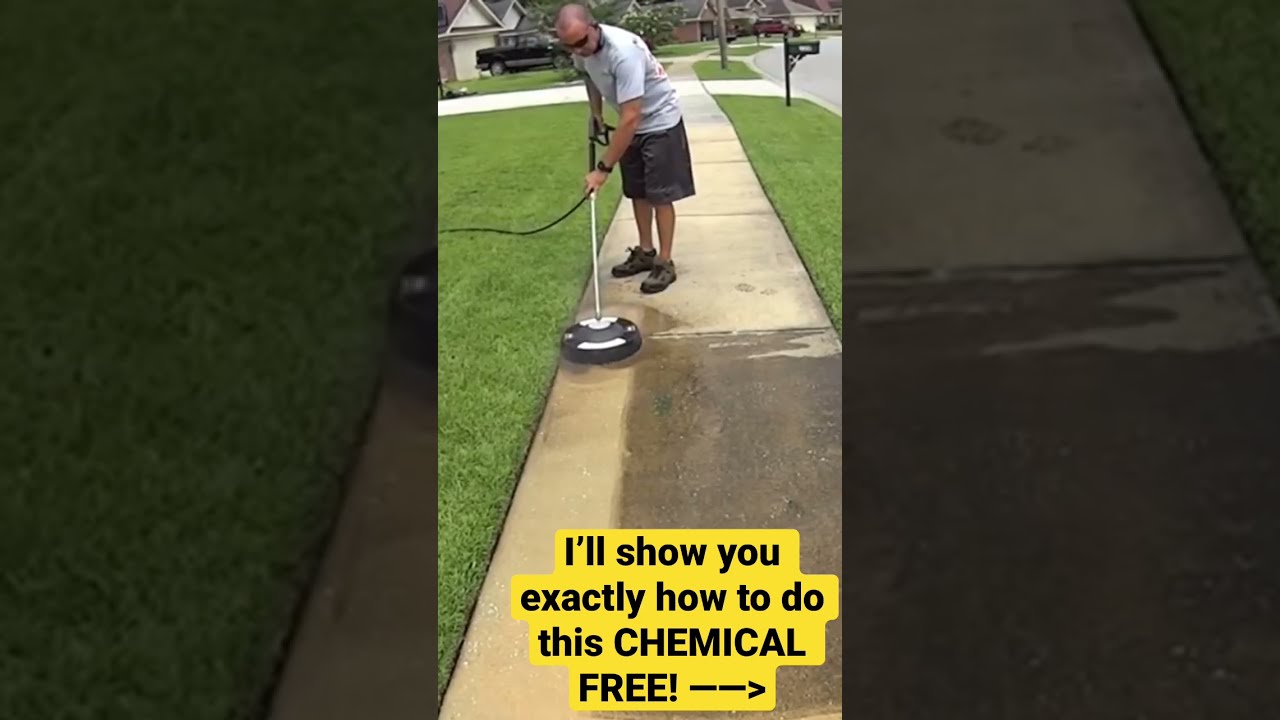
Wood is composed of longitudinal bundles of cellulose fibres. When exposed to excessive hydraulic force, several devastating issues occur:

The high-velocity jet shears through softer springwood rings, leaving prominent ridges and an uneven, ribbed surface texture known as "furring." Once timber fibres are shredded and lifted, the board acts like a sponge, drawing in excessive water that leads to warping, cupping, and rot. Furthermore, intense pressure can easily https://cristianlxrt535.dovetailscope.com/posts/2026-driveway-cleaning-trends-for-melbourne-properties gouge visible lines directly across the grain, blast loose old nails and screws, and leave behind lap marks that remain visible even after a fresh coat of oil or stain is applied. Once timber has been gouged by a pressure wand, no amount of chemical treatment will fix it; only labour-intensive, aggressive sanding can flatten the boards again.
The Modern Solution: Chemical Emulsification Over Raw Water Force
In 2026, professional exterior cleaning relies on smart chemical preparation rather than brute force. The industry has decisively shifted towards "soft washing" techniques for timber structures. Instead of relying on raw water pressure to strip away dirt, lichens, and aged coatings, eco-conscious and timber-safe cleaning solutions do the heavy lifting chemically.
Specialised oxygen-based wood cleaners, such as sodium percarbonate solutions, actively break down biological growth, grey dead wood cells, and dirt deposits from deep inside the timber's pores. Once the cleaning agent has dwelt on the surface and emulsified the build-up, you only need low, controlled water pressure—typically between 600 and 1,000 PSI—to rinse the boards clean. This gentle rinse lifts away the dissolved grime effortlessly without tearing a single wood fibre, keeping your Merbau, Spotted Gum, Blackbutt, or treated pine smooth, level, and intact.
Step-by-Step: The Safe Way to Restore Decking Timber
If you plan to restore your outdoor timber safely, following a proven, methodical workflow ensures exceptional results without running the risk of costly wood damage:

- Clear and Inspect the Surface: Remove all furniture, planters, and barbecues from the area. Sweep away loose leaves, sand, and coastal grit. Inspect the deck thoroughly for raised nails, loose screws, rotted sections, and structural instability before introducing any water.
- Protect Surrounding Gardens: Coastal Bayside gardens often feature delicate native species or coastal succulents. Pre-wet all surrounding plants and turf thoroughly with fresh water, and cover sensitive foliage to ensure cleaning runoff does not cause dehydration or leaf burn.
- Apply an Appropriate Wood Cleaner: Apply an eco-friendly wood cleaner or sodium percarbonate solution evenly across dry timber using a low-pressure garden pump sprayer. Work in manageable sections so the chemical does not dry out on the surface. Allow it to dwell for 15 to 20 minutes to dissolve dirt, mould, and oxidised cells.
- Rinse with Controlled Low Pressure: Fit your pressure washer with a wide 40-degree white nozzle or a dedicated low-pressure rinse tip. Adjust the machine pressure down to around 800 PSI. Hold the nozzle approximately 25 to 30 centimetres away from the wood surface and sweep steadily along the full length of the boards, always following the natural wood grain rather than cutting across it.
- Neutralise and Brighten: Basic cleaning agents alter the pH of timber, temporarily darkening the surface. Applying an oxalic-acid-based wood brightener immediately after rinsing neutralises the timber, restores its natural light golden or reddish tones, and opens the grain to accept penetrating oils.
- Allow Complete Drying: Timber holds moisture deep within its cell structure. Wait at least 48 hours in clear, warm weather before applying any protective decking oil or penetrating sealer. Sealing wet timber traps internal moisture, inevitably leading to premature peeling, blistering, and rot.
Selecting the Right Nozzle and Spray Pattern
Equipment setup is paramount when conducting pressure washing on timber. The red 0-degree "pencil jet" tip should never, under any circumstances, be pointed at a deck; it cuts into wood like a high-speed blade. Yellow 15-degree nozzles are also far too narrow and concentrated for timber maintenance.
Instead, choose a 40-degree fan tip, or utilise a specialised rotary surface cleaner configured specifically with low-pressure nozzles for wide, uniform coverage. Keep the spray wand in continuous, steady motion. If you pause in one spot with the trigger depressed, the concentrated stream will leave a distinct dip or etched mark. Feather each stroke by slightly raising the wand at the beginning and end of each pass to blend the cleaning path seamlessly across adjoining boards.
Integrating Timber Care into Whole-Property Maintenance
Restoring a deck should rarely happen in complete isolation. In the coastal climate of Melbourne Bayside, dirt and organic matter move fluidly across exterior surfaces. When a homeowner undertakes deck rejuvenation, dirt washed from surrounding structures can rapidly foul the freshly cleaned wood if the job sequence is disorganised.
For complete property care, high-level works such as gentle roof cleaning and soft house washing should always be performed prior to timber restoration. This prevents dirty water run-off from staining newly treated decking. Similarly, surrounding flat surfaces benefit from periodic driveway cleaning to eliminate algae and moss spores that could otherwise easily transfer onto your timber through casual foot traffic and pet paws.
Post-Restoration Care: Extending the Life of Your Bayside Deck
Once your timber has been thoroughly cleansed, brightened, and protected with a quality penetrating oil or protective coating, ongoing preventative habits will extend the time between major cleaning sessions significantly.
- Sweep Weekly: Coastal sand acts as an abrasive sandpaper under shoes, scuffing and scratching deck sealers. Regular sweeping prevents premature wear of protective coatings.
- Manage Plant Containers: Elevate outdoor pots on rubber risers or decorative pot feet. Planters sitting directly on timber boards trap moisture and pool water, resulting in stubborn circular mould stains and localised board rotting.
- Wash Off Salt Buildup: Give your deck a gentle rinse with standard garden hose pressure once a month during summer to flush away airborne coastal salt deposits before they crystallise and draw moisture.
- Trim Back Shading Foliage: Overhanging coastal shrubs and tree branches reduce airflow and prevent sunlight from naturally drying your deck after rain, creating prime microclimates for green algae growth.
Restoring Outdoor Spaces Safely and Effectively
A well-maintained timber deck adds substantial aesthetic appeal and genuine lifestyle value to any Melbourne Bayside residence. While dirty boards and weathered timber can feel frustrating, heavy-handed power washing is never the correct solution. By combining modern wood restoration chemistry with gentle, calibrated water rinsing, you can strip away years of coastal weathering, eliminate slippery grime, and return your timber to its natural splendour—all while keeping your boards completely smooth, safe, and splinter-free for years to come.
Bayside Pressure Cleaning Pros
Unit 3/3-5 Arnold St, Cheltenham VIC 3192
ph. (03) 4517 6380